 pistachio
how good are your senses, really?
short tests for your reflexes, your eye for color, your sense of time, your memory and your steadiness. most take under a minute. at the end you get a shape — the things you're good at, and the things you're not.
every test is a real paradigm from the psychophysics literature, run properly: randomized intervals so you can't game the timing, frame-accurate stimulus onset, and comparisons segmented by screen refresh rate so a faster phone doesn't flatter you. where the norms are thin, it says so instead of inventing a percentile.
get it on the app store
better with someone else
the whole thing is built to be argued about. play against someone standing next to you, or someone three time zones away — same test, same conditions, one result with both names on it.
pass the phone
you play, hand it over, they play. the second score stays hidden until you've both finished, so nobody is aiming at a number.
or send it
send a link instead. they open it in whatever browser they have — no app, no account — and play the same test right there. your score isn't in the link and they can't read it until they've played one of their own. then they can send one back the same way.

three of them run in a browser
no app, no account, nothing to install. they're the three that don't need to know exactly when a pixel lit or exactly when your finger landed — which is the one thing a browser can't tell you, and the reason the rest are on the phone.

a few of them
most need nothing but the phone. a couple ask you to stand up.

two plates, one finger, ten seconds. three bursts a hand, because the point is watching you tire.
speed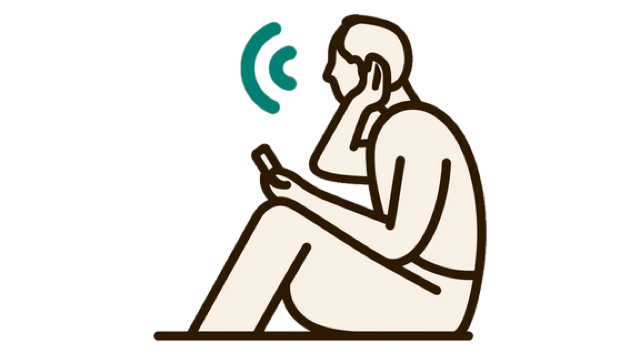
three tones, two identical. it gets harder every time you're right, until it finds the smallest difference you can hear.
sound
tilt the phone, then set a line straight up and down in the room. the screen edge and the frame around it are both lying to you.
space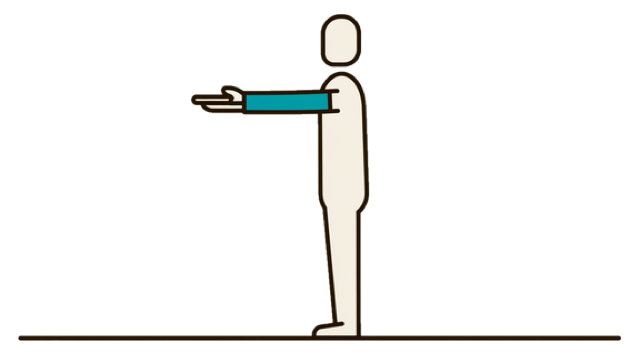
hold it out and keep it still. everybody's hand shakes at eight to twelve times a second — this measures yours.
balance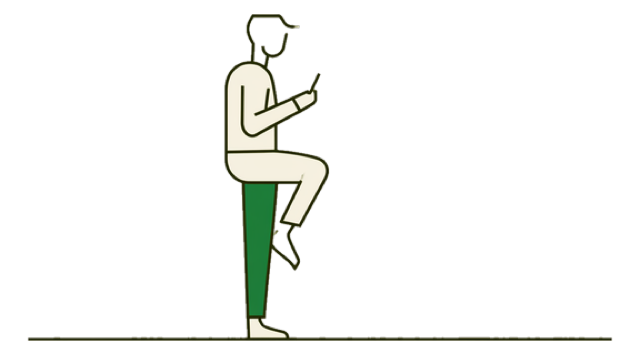
stand on one leg, phone against your chest. it reads the sway you can't feel, and knows when your other foot touches down.
balance
and the rest

the shape you end up with
every test scores in the same currency, so a color score and a reaction time can sit on one chart without pretending to be the same measurement. the raw measurement is always there underneath — milliseconds, cents, a match out of ten.
it fades where you haven't played in a while, and a group you've never tried is a dashed spoke rather than a low score — those are different facts, and drawing them the same way would be a lie about you.

and everyone else
a board for the last seven days, which you can decline or leave, one entry per person per test. it ranks the measurement rather than the score, so there is nothing to forge but the measurement — and that's bounded by what a body can do.
ada198 ms niamh214 msyou221 ms
 sam236 ms